Hanwha Aerospace R&D Software Internship, Fall 2025: The Interview Process
Loading comments...
Loading comments...
After the LG Aimers hackathon and a bootcamp, I applied for Hanwha Aerospace's Fall 2025 R&D software internship (LS division, conversion-track). I went through the resume screen, a coding test, a video English test, and a presentation plus technical interview, was accepted, and worked there for eight weeks from January 2026. What I built is in the UGV-MON retrospective.
In the resume I tied field experience and software and AI skills into one story: finding and fixing ensemble models that had become too similar to help each other at LG Aimers, and improving an old web system as a web developer during military service.
The coding test was four problems in two hours, roughly Baekjoon Silver to Gold: dynamic programming and graph search. I solved three and ran out of time on one. Solid fundamentals are enough.
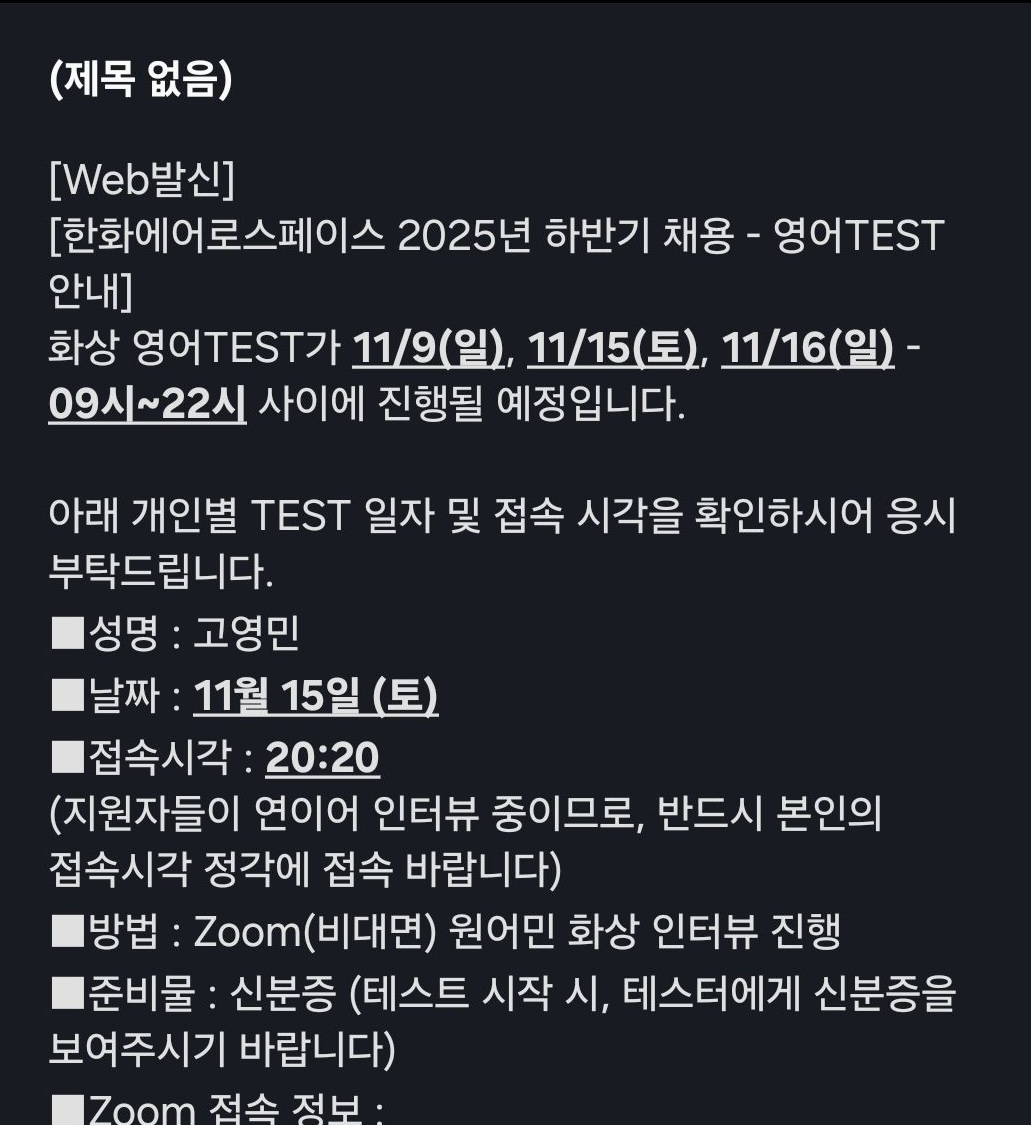
The video English test on Zoom asked everyday questions like motivation and hobbies; if you can converse comfortably, it is fine.
You pick one of three job-related topics, build slides in 30 minutes and present for about five. I will not share the topics. I chose one on data noise and structured it as I had practiced: problem, cause, technical fix, expected effect. In a short talk, the flow is everything.
The Q&A with engineers starts right after the talk. The mood was friendly; the questions went deep.
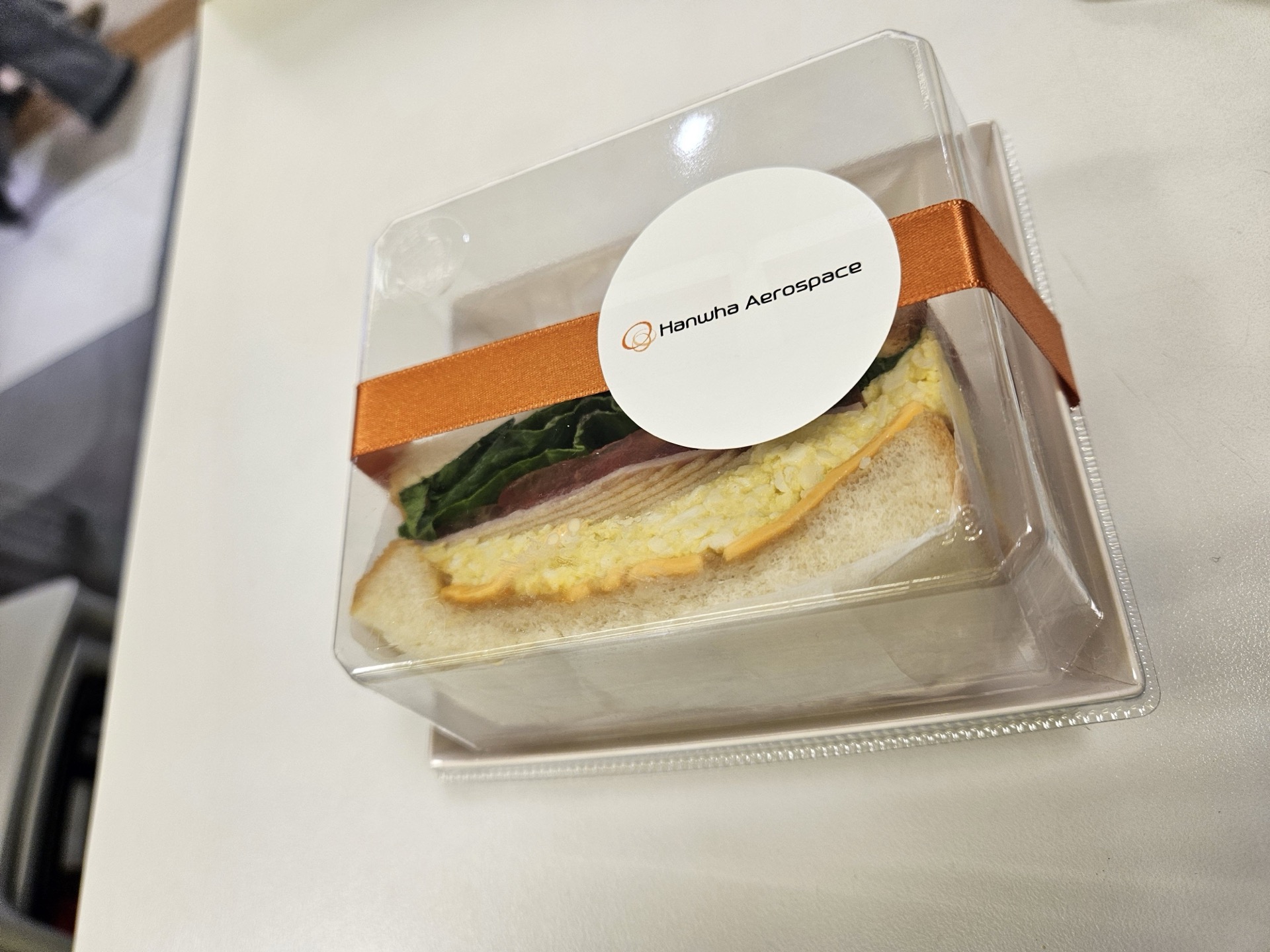
The sandwich after the interview tasted unusually good, probably because the tension was gone.
The biggest thing I learned in the short preparation was translating my experience into the company's language. The answer notes from this round kept coming back in later interviews. Using local support like Icheon's free suit rental for young job seekers was a small but good call.